Donate Your Age & MyGivingCircle will Match It! While Funds Last.

Explore Charities
Explore the charities that are making a difference in your community.


Brighter Future Charity is a non-profit 501(c)3 organization based in Los Angeles, California that supports individuals affected by autism by providing life-long assistance. Our organization pairs individuals who fall on...

Birth for Humankind provides person-centred, trauma-informed and culturally sensitive care. We improve maternity experiences and outcomes through one-to-one community-based doula support for women and gender diverse birthing parents experiencing financial hardship and systemic disadvantage and discrimination during pregnancy, birth, early parenting and abortions.

Fundraise to provide essential services for breast and prostate cancer patients in rural and regional Queensland

Imagine a place where heart surgery isn’t an option—not because it isn’t needed, but because it simply doesn’t exist.No trained surgeons. No equipment. No public health system. No money. No hope.For many families in low- and middle-income countries, life-saving heart surgery for a child or loved one is as rare...
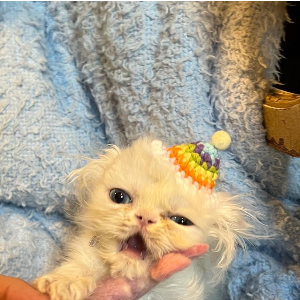

To preserve the dignity and quality of lives for our animals. It is our Responsibility to give help and provide a voice to animals in need. We want to provide the best possible care and loving environment for them to live out their remaining lives.

North Texas Wildlife Center (NTXWC) is a nonprofit 501(c)3 organization committed to the rescue, rehabilitation, and release of local injured or orphaned wildlife. Established in 2013 as Dallas Wildlife Center (DWC), we quickly learned our wings expanded to a much larger area. We support 3 separate but interwoven communities; local...

The Nonhuman Rights Project (NhRP) is the only civil rights organization in the United States dedicated solely to securing rights for nonhuman animals. Our groundbreaking work challenges an archaic, unjust legal status quo that views and treats all nonhuman animals as “things” with no rights. As with human rights, nonhuman...

Supporting Aspergers to connect, share information and advice so they belong to a community and find and keep meaningful employment.
Our mission is to support the Crohn’s and ulcerative colitis community with a focus on confidential support programs including education, advocacy, counselling, increasing awareness and generating and utilising funds for...